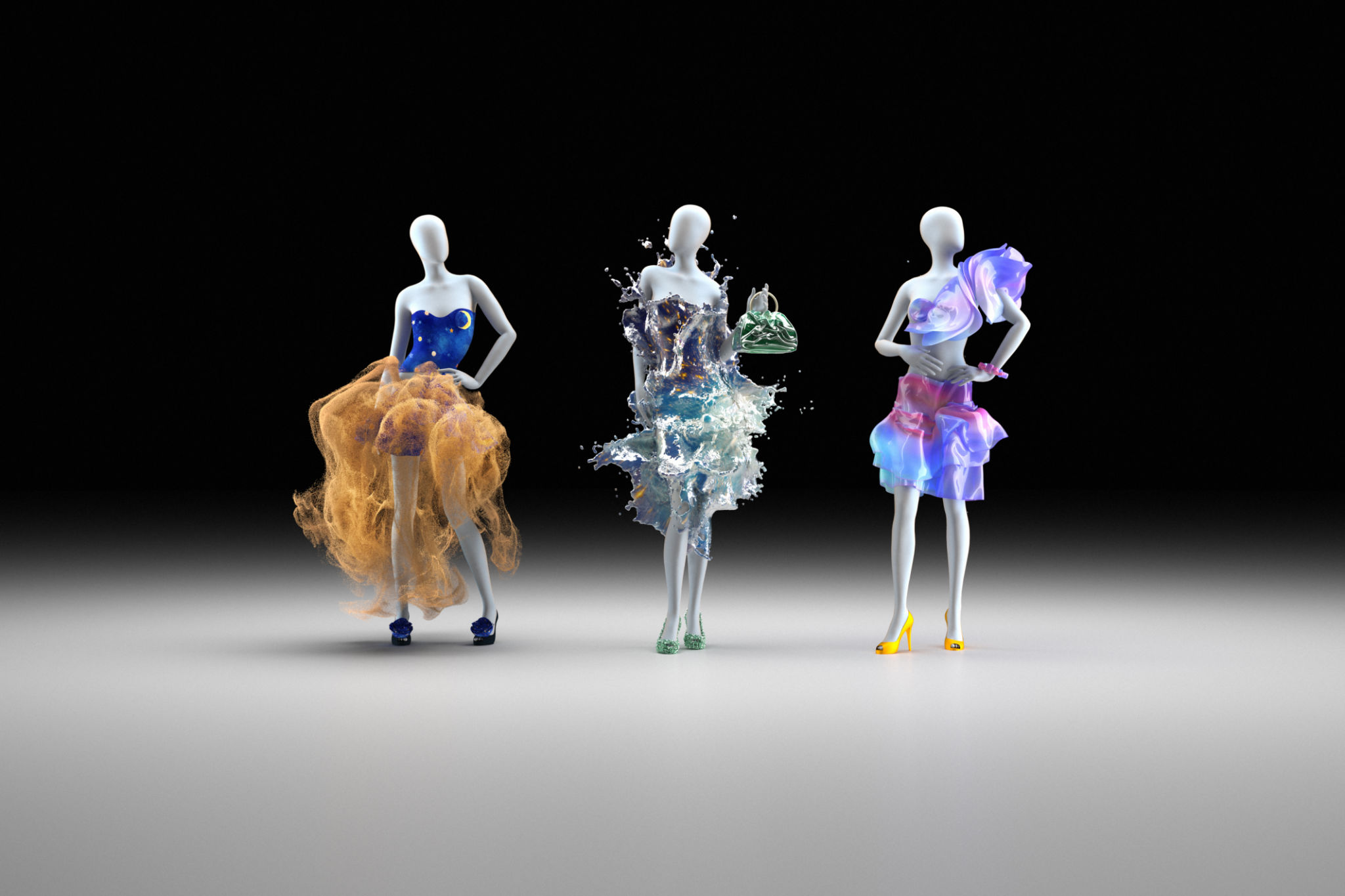
Demystifying AR: How Augmented Reality is Shaping Visual Experiences in NY
Understanding Augmented Reality
Augmented Reality (AR) has rapidly evolved from a futuristic concept to a transformative technology impacting various fields. In New York, a hub of technological innovation and creativity, AR is reshaping the way we perceive visual experiences. From retail to real estate, AR is not just enhancing but revolutionizing the way we interact with the world.
While Virtual Reality (VR) immerses users in a completely digital environment, AR overlays digital elements onto the real world, providing a blended experience. This unique capability allows AR to enhance our perception and interaction with our immediate surroundings.

AR in Retail: A New Shopping Experience
In the bustling streets of New York, AR is transforming retail spaces into interactive experiences. Retailers are leveraging this technology to provide customers with virtual try-ons, interactive product displays, and personalized shopping experiences. By using AR apps, customers can visualize products in their real-world environment before making a purchase, significantly enhancing decision-making and satisfaction.
For instance, furniture stores are using AR to allow customers to see how a piece of furniture would look in their home. This not only improves customer engagement but also reduces return rates, as buyers are more confident in their purchases.

Real Estate and Architecture: Visualizing Possibilities
In the real estate sector, AR is offering prospective buyers and tenants a revolutionary way to explore properties. Through AR applications, users can take virtual tours of homes and apartments, visualizing how their personal belongings would fit into these spaces. This immersive experience provides a more comprehensive understanding of the property than traditional photos or videos.
Moreover, architects in New York are using AR to present their designs to clients in a more interactive manner. By overlaying digital models onto physical sites, clients can better visualize the final outcome, leading to more informed decisions and smoother project approvals.

AR in Entertainment and Tourism
The entertainment and tourism sectors in New York are also harnessing the power of AR to create engaging experiences for locals and visitors alike. Museums and galleries are incorporating AR to provide interactive tours, offering additional layers of information and storytelling that enhance the visitor experience.
Tourists can use AR apps to explore historical sites with interactive guides that overlay historical images and narratives onto their current surroundings. This technological advancement makes learning history more engaging and memorable.
The Future of AR in New York
As AR technology continues to advance, its applications in New York are expected to grow even further. Future developments may include more sophisticated AR glasses and headsets, which could make AR experiences more seamless and integrated into daily life. Additionally, advancements in artificial intelligence could lead to more personalized and intuitive AR interactions.
In conclusion, AR is not just a technological trend but a significant shift in how we perceive and interact with the world. As New York continues to embrace this technology, the city is setting a precedent for AR's potential to enhance visual experiences across various industries.